
"coffee defects removal"
2000 article(s) found

What are the ways to handle coffee beans? Sun treatment and water washing treatment are introduced and compared in detail.
There are three traditional coffee bean treatment methods: sun treatment, water washing treatment and honey treatment. Honey treatment is between sun and water washing, whether it is the treatment method or taste, so today let's talk about the biggest difference between sun exposure and water washing. It is very important for a delicious coffee bean to deal with this piece of raw bean. Whether a coffee bean is good or not accounts for 1/3 of the planting environment.
Introduction to Coffee basic knowledge, Fine Coffee and defective beans
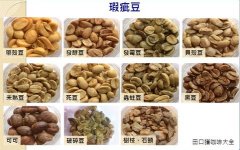
Moldy beans: because of incomplete drying, or damp in the process of transportation and storage, cyan and white molds grow, which sometimes make the beans stick together. If these moldy beans are not removed, they will produce moldy smell. Dead beans: beans with abnormal results. The color is not easy to change because of baking, so it is easy to distinguish. The flavor is thin, as harmful as silver skin, and will become a peculiar smell.
Basic knowledge of boutique coffee defective beans
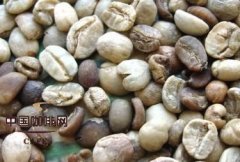
Moldy beans: because of incomplete drying, or damp in the process of transportation and storage, cyan and white molds grow, which sometimes make the beans stick together. If these moldy beans are not removed, they will produce moldy smell. Dead beans: beans with abnormal results. The color is not easy to change because of baking, so it is easy to distinguish. The flavor is thin, as harmful as silver skin, and will become a peculiar smell.

Flavor description of Yejia Coffee Cochel washed Coffee beans introduction to the taste of grinding scale production area
The flavor description of Yejia Coffee Cochel washed coffee beans the taste of grinding scale production area introduces that sun drying Yega snow coffee sets a strict standard for collecting red fruits (the results of coffee trees). Before exposing the coffee fruits, the unripe green fruits or defective fruits are removed manually, and the damaged or moldy fruits are removed during the sun drying process. after two weeks, the flesh sugar and essence are all infiltrated into the coffee beans, and the water content is reduced to 12%.
The basic knowledge of Coffee defective beans
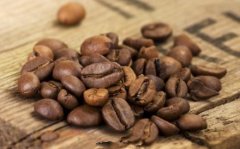
Moldy beans: because of incomplete drying, or damp in the process of transportation and storage, cyan and white molds grow, which sometimes make the beans stick together. If these moldy beans are not removed, they will produce moldy smell. Dead beans: beans with abnormal results. The color is not easy to change because of baking, so it is easy to distinguish. The flavor is thin, as harmful as silver skin, and will become a peculiar smell.

Know a lot about high-quality coffee, how to select defective coffee beans and steps
Before selecting defective beans, raw beans need to be screened in order to make the beans uniform in size. You can use three different sizes of special custom screen, or you can use the metal screen sold in general horticultural shops, but pay attention to the size. The purpose of sieving is to separate the size of beans and remove impurities. The next step is hand-selected.

What do you mean by three hand selections in Lindong Mantenin, Sumatra? What is the defect rate of Lin Dong Mantenin?
For professional baristas, please follow the Coffee Workshop (official Wechat account cafe_style) introduction: the best coffee in Sumatra comes from two places, one of which is Mantenin Coffee in Lintong, the most famous coffee in the area near Toba Lake on North Sumatra. Lintong regional coffee

Ethiopian coffee beans G1 and G2 are just different in the number of defective beans.
Ethiopian coffee beans G1 and G2 are just different in the number of defective beans? the characteristics of the variety introduce that defective beans are an important factor that destroys the flavor of the final coffee. Therefore, defective beans should also be removed in the last step of raw bean processing. This has the problem of the number of defective beans, so according to the proportion of defective beans, supplemented by the size of the screen is also a way of classification. Due to the trend of boutique coffee
Introduction of several kinds of defective beans in basic knowledge of Coffee
Moldy beans: because of incomplete drying, or damp in the process of transportation and storage, cyan and white molds grow, which sometimes make the beans stick together. If these moldy beans are not removed, they will produce moldy smell. Dead beans: beans with abnormal results. The color is not easy to change because of baking, so it is easy to distinguish. The flavor is thin, as harmful as silver skin, and will become a peculiar smell.
Several kinds of coffee defective beans are introduced.
Moldy beans: because of incomplete drying, or damp in the process of transportation and storage, cyan and white molds grow, which sometimes make the beans stick together. If these moldy beans are not removed, they will produce moldy smell. Dead beans: beans with abnormal results. The color is not easy to change because of baking, so it is easy to distinguish. The flavor is thin, as harmful as silver skin, and will become a peculiar smell.

What effect does defective beans have on coffee? Coffee Bean Defect Definition Coffee Main Defect Bean
Professional coffee knowledge exchange More coffee bean information Please pay attention to coffee workshop (Weixin Official Accounts cafe_style) often see roasters roasting coffee, baristas will pick out some defective beans before brewing coffee, so what exactly is defective beans? What effect will defective beans have on coffee? First, let's find out what's wrong with defective beans. Common in coffee beans

How to choose the kind of coffee defective beans
Because the drying is not complete, or in the transportation, storage process is too wet, and the growth of cyan, white mold, sometimes make beans stick together, if you do not remove these moldy beans, it will produce moldy smell. 4. Fermented beans are mainly divided into two categories: one is that the coffee is soaked in the fermentation tank for too long when the coffee is washed, and it is formed by the water pollution of the washed coffee beans; the other is the heap.

Taste and Flavor characteristics of Manning Coffee suggestions for brewing Manning Coffee
Professional coffee knowledge exchange more coffee bean information please follow the coffee workshop (Wechat official account cafe_style) A beautiful misunderstanding of the origin of the name Mantenin in 1945 when the Japanese soldiers stationed there in Sumatra when the story is as follows: Japanese soldier: Umai! Kore doko kara? it's delicious. Where did it come from? The peddler thought he was asking where he came from

Description of taste and flavor of Honduran coffee grade and regional varieties
Description of taste and flavor of Honduran coffee grade defective beans are an important factor that destroys the final coffee flavor. Therefore, defective beans should also be removed in the last step of raw bean processing. Therefore, according to the proportion of defective beans, supplemented by the size of the screen is also used as a way of classification. Due to the rise of boutique coffee, coffee producing countries pay more and more attention to the quality of coffee and control defects.

Flavor characteristics of Yejia Coffee beans how to brew G2 and how to make it by hand will taste better
The flavor characteristics of Yejia snow coffee beans G2 how to brew by hand will be better to drink in the sun Yega snow coffee sets a strict standard for collecting red fruits (as a result of coffee trees). Before exposure to coffee fruits, the unripe green fruits or defective fruits are removed manually, and then the damaged or moldy fruits are removed during the sun drying process. After two weeks, the flesh sugar and essence are all infiltrated into the coffee beans, and the water content is reduced to 12%.

Introduction of grinding scale for description of taste and flavor of aricha coffee bean varieties
Description of Flavor and Flavor of aricha Coffee varieties description of Grinding scale Variety introduction the Aretha treatment station on the east side of the town of Yegashefi chose the sun treatment method to treat raw beans, without first removing the peel and pulp of the fruit, nor removing the mucus layer through fermentation steps, but directly spread it on the scaffolding after hand selection.

The defects of high-quality coffee beans introduce the basic knowledge of coffee
Moldy beans: because of incomplete drying, or damp in the process of transportation and storage, cyan and white molds grow, which sometimes make the beans stick together. If these moldy beans are not removed, they will produce moldy smell. Dead beans: beans with abnormal results. The color is not easy to change because of baking, so it is easy to distinguish. The flavor is thin, as harmful as silver skin, and will become a peculiar smell.
Coffee beans common sense coffee roasting defective beans introduction
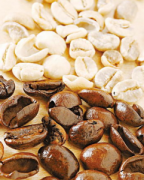
Mildewed beans: because the drying is not complete, or in the transportation, storage process damp, and grow cyan, white mold, sometimes make beans stick together, if not remove these moldy beans, will produce mildew smell. Dead beans: beans that bear abnormal fruit. The color is not easily changed by baking, so it is easy to distinguish. The flavor is thin and harmful as silver skin, which will become peculiar smell.
Selection of coffee beans introduction to defective beans in coffee roasting
Moldy beans: because of incomplete drying, or damp in the process of transportation and storage, cyan and white molds grow, which sometimes make the beans stick together. If these moldy beans are not removed, they will produce moldy smell. Dead beans: beans with abnormal results. The color is not easy to change because of baking, so it is easy to distinguish. The flavor is thin, as harmful as silver skin, and will become a peculiar smell.
Basic knowledge of boutique coffee introduces several kinds of coffee defective beans
Moldy beans: because of incomplete drying, or damp in the process of transportation and storage, cyan and white molds grow, which sometimes make the beans stick together. If these moldy beans are not removed, they will produce moldy smell. Dead beans: beans with abnormal results. The color is not easy to change because of baking, so it is easy to distinguish. The flavor is thin, as harmful as silver skin, and will become a peculiar smell.